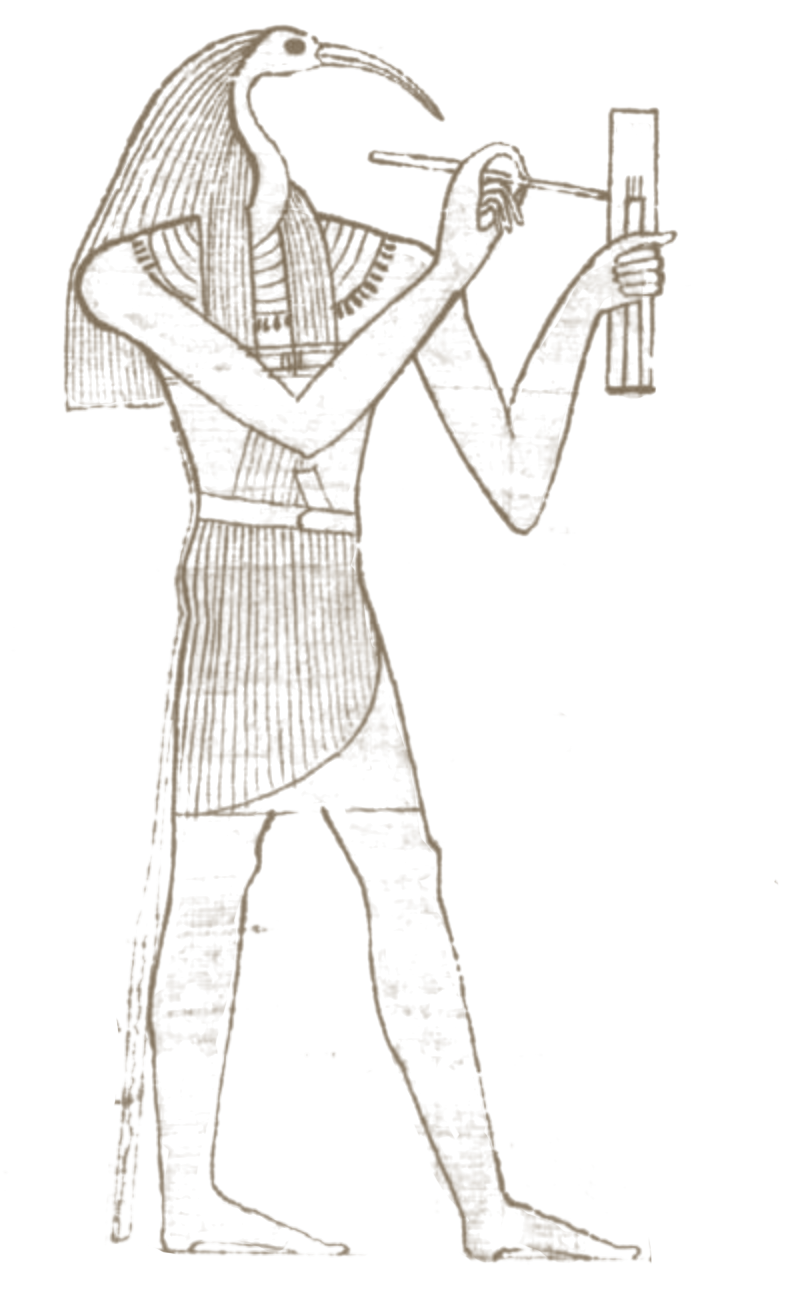
“Who looks outside, dreams; who looks inside, awakes”
The outside world, the interior world—living fully requires us to travel in both. My practice honors a process that engages mind and body alike. Together, we explore your unique origins, experiences, and life path, as well as what is expressed physically, emotionally, and psychologically.
The Journey of Becoming
For more than twenty years, I have walked this path: exploring what it means to heal, integrate, and become. My foundational training is in psychodynamic and Jungian psychotherapy, grounded in the understanding that the symptoms we carry—anxiety, depression, creative blocks, relational challenges—often signal what needs attention.
Alongside my work as a psychotherapist, I offer transformational coaching—non-clinical work grounded in the same depth-oriented approaches, supporting reflection, meaning-making, and aligned change.
“The river that flows in you also flows in me.”


Training & Therapeutic Approach
I hold a Master of Arts in Depth Psychology from Pacifica Graduate Institute and am a Licensed Marriage and Family Therapist (LMFT) in New York, California, and Oregon.
My clinical training and experience includes the following perspectives:
Object Relations and Attachment Theory — – understanding how early relational experiences shape our internal world, supporting the healing of relational wounds.
Somatic and body-centered approaches — attending to how trauma and emotion live in the body as well as the mind.
Symbolic and imaginal work — exploring dreams, archetypes, and the language of the unconscious.
Family Systems — seeing the individual within the web of relationships and intergenerational legacy.
The Body as Path
For many years, I have been a practitioner and teacher of Yoga and Pilates, exploring how the body’s structure and physiology store and communicate emotions, memories, and beliefs. This embodied practice informs all my therapeutic work.
I continue learning through ongoing study in somatic therapies, including Meditation, Breathwork, Feldenkrais, Focusing, Somatic Experiencing, and Family Constellations—each offering unique doorways into the body’s wisdom and capacity for healing.
Working with Altered States
I hold a Certificate in Psychedelic-Augmented Psychotherapy from the MIND Foundation in Berlin. This training supports my work with individuals preparing for or integrating psychedelic experiences, as well as those navigating spontaneous non-ordinary states, spiritual emergence, or threshold experiences where the boundaries of ordinary consciousness shift.
This work is grounded in respect—for the medicines, and for the mystery of consciousness itself.
Beyond Clinical Training
Beyond psychotherapy and coaching, I bring a lifelong engagement with literature, creativity, and the body arts. My interests in philosophy, mythology, and shamanic traditions inform my perspective, adding depth and richness to the therapeutic journey.
I believe healing and transformation emerge not only through the therapeutic process and relationship, but also through imagination, creativity, and connection with the deeper layers of the self.

-
MA Counseling Psychology, 2004 (with emphasis in Depth Psychology), Pacifica Graduate Institute, CA
BA Liberal Arts, 2002 (with emphasis in Psychology), The New School University, NY
-
Licensed Marriage & Family Therapist
Licensed Marriage & Family Therapist, New York (MFT #001979)
Licensed Marriage & Family Therapist, California (MFT #51013)
Licensed Marriage & Family Therapist, Oregon (MFT #T1093)
Clinical & Psychotherapy Training
Certificate in Integration and Psychedelic Augmented Psychotherapy (MIND Foundation, Berlin)
EMDR Therapist (Eye Movement Desensitization Reprocessing), Maiberger Institute
San Francisco Jung Institute, CA – 1-year clinical study
The Psychotherapy Institute, Berkeley, CA - 3 year post-graduate training
Body & Mind Certifications
Certified Pilates Instructor (Comprehensive Mat and Equipment), B.A.S.I.
500-Hour Yoga Teacher Training, Dharma Yoga Center
Transformational Coaching Certificate (in progress), Animas Center for Leadership & Coaching
“No problem can be solved from the same level of consciousness that created it.”
Specializations
-
Trauma lives in body, mind, and spirit, shaping how we relate to ourselves, others, and the world—often beneath conscious awareness. The earliest wounds often leave the deepest imprints.
What remains unprocessed stays with us—in chronic tension and hypervigilance, in difficulty trusting others, in protective numbness or hypersensitivity, in relationship patterns that feel frustratingly familiar. It lives in beliefs about safety and intimacy, in the parts of yourself you learned to hide, in a persistent sense that something is "wrong" with you.
What I Work With
Childhood trauma and attachment wounds
Dissociation and fragmentation
Developmental trauma that affects sense of self
Intergenerational trauma
These responses made sense once—they were intelligent adaptations to impossible situations. But what kept you safe then may now be keeping you small, isolated, or unable to fully experience connection and aliveness. Together, we bring these unconscious elements into the light—to understand their origins, honor their protective purpose, and create space for new ways of being. Jungian therapy for trauma is a synergistic way of working with all the layers of these deep, early wounds.
-
Creativity is often where we feel most alive—but also where we meet our most formidable and intransigent resistance.
What blocks us from fully expressing our creativity often signals something with deeper roots. Creating and playing ask us to lean into openness, uncensored self-expression, vulnerability. But when we carry deep-seated fear of visibility or judgment, of failure or even of success, that fear puts the brakes on—limiting potential and possibility. Here we meet paralyzing perfectionism, unmetabolized grief or trauma seeking expression, a severed connection to our own essence.
What I Work With
Creative block and resistance
Fear of visibility, of failure, or of success
The relationship between trauma and creative expression
Reclaiming your voice
I work with people navigating creative impasse: exploring the relationship between your wounds and creative self-expression, the fears that keep you small, the self-limiting habits that keep you safe, and the question of what it means to bring your authentic creative self—with all its rawness and risk—into the world.
-
Psychedelic and entheogenic experiences can be profoundly healing—but without proper preparation and integration, they can also be disorienting, destabilizing, or remain utterly elusive. Insights that might emerge gradually in therapy can erupt all at once in psychedelic experience—insights, emotions, and revelations overwhelming the psyche's capacity to integrate. Profound visions and wisdom can fade quickly unless they are grounded in embodied reality and woven into the fabric of daily life.
What I Work With
Integration of psychedelic therapy or ceremonial experiences
Preparation for upcoming psychedelic journeys
Making meaning of difficult or confusing trips
Connecting expanded states to everyday life
This work supports those preparing for therapeutic or ceremonial journeys, as well as those integrating past experiences—whether recent or from years ago. As a psychedelic integration therapist, I provide support that honors both the mystical dimensions of these experiences and the practical work of bringing insights into embodied, daily life.
-
At times we find ourselves navigating threshold experiences: dark nights of the soul, existential despair, spiritual emergence, and life transitions that shake the very foundation of meaning.
Questions arise: Why am I here? What is the meaning of this life? What is my purpose? These profoundly important questions are frequently woven through with difficult emotions—depression, hopelessness, grief. But sometimes what appears as a psychological crisis is actually a spiritual opening, a breakdown that's also a breakthrough.
What I Work With
Existential anxiety, meaninglessness, or despair
Life transitions and identity shifts
Spontaneous non-ordinary states
Questions of calling and purpose
When the old scripts and beliefs around which we have constructed our lives begin to fail us, it opens the door to grief, disorientation, the anxiety of being caught on the threshold between old and new. With proper care—honoring both the psychological and the numinous—the liminal becomes generative space, opening the way for new possibilities, for a renewed version of ourselves to emerge.
-
Relationships are often where our unresolved inner conflicts are most evident, where we are shown the work and the healing that needs to be done. Our earliest relationships create templates that shape how we love, trust, fight, and attach. These patterns echo through our lives—in romantic partnerships, friendships, family dynamics, even in how we relate to ourselves. The stories we tell ourselves, what we believe we're capable of, who or what we feel we deserve—these too mirror those early imprints.
What I Work With
Attachment wounds and relational trauma
Recurring relationship patterns
Fear of intimacy or engulfment
Sexuality, desire, and embodiment in relationship
In therapy, the underlying patterns that cause suffering can become visible—and changeable. We identify internalized beliefs that have shaped how you relate—beliefs about worthiness, safety, or what love requires. The therapeutic relationship itself becomes a space to explore, repair, and reimagine relating. Old patterns may play out between us, and in that recognition, new ways of being together become possible. Themes of attachment, intimacy, and sexuality can be as integral to your healing journey as questions of identity or self-worth.